Eromanga Visitor Experience Prototype
A visitor experience prototype showing how a guided mobile layer could support tourism, interpretation and audience-specific storytelling.
Overview
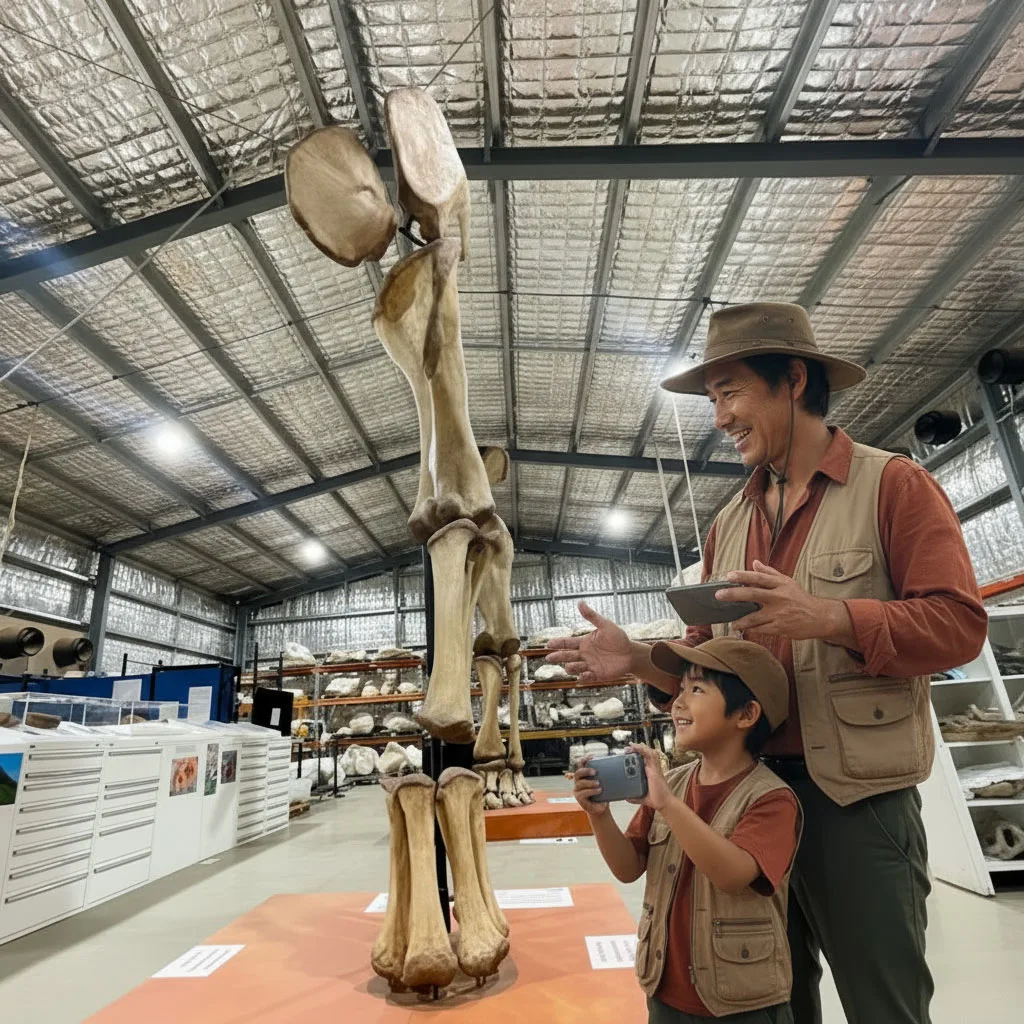
The Eromanga prototype was created as a visitor experience demonstration for a grant/pitch context. It explored how a mobile digital layer could help visitors understand a place, story or attraction through a more guided experience.
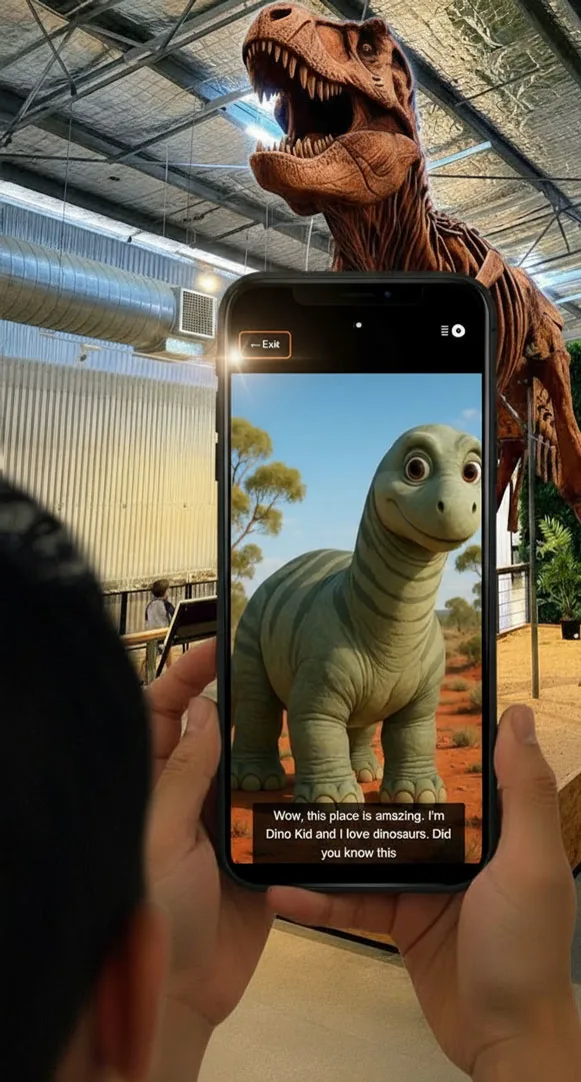
Rather than treating the digital layer as a generic website, the prototype was designed as something a visitor could use in context: a structured guide that could explain, adapt and support the visit without replacing the physical experience.
Challenge
Visitor centres and tourism attractions often need to speak to different kinds of visitors at once. A child, adult, tourist, local visitor or non-English speaker may all need different levels of explanation, tone and support.
The challenge was to show how one digital layer could provide multiple pathways through the same underlying content while keeping the experience simple for the visitor.
The experience
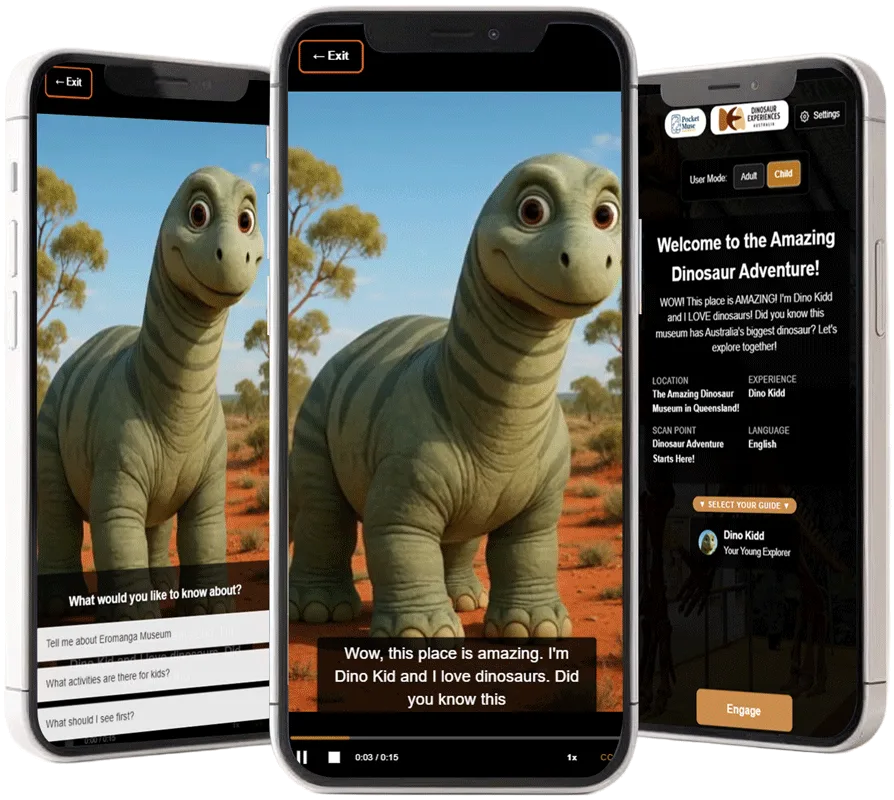
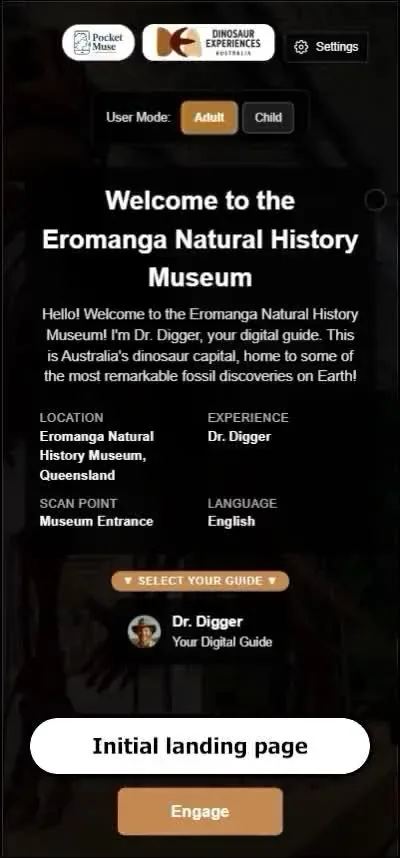
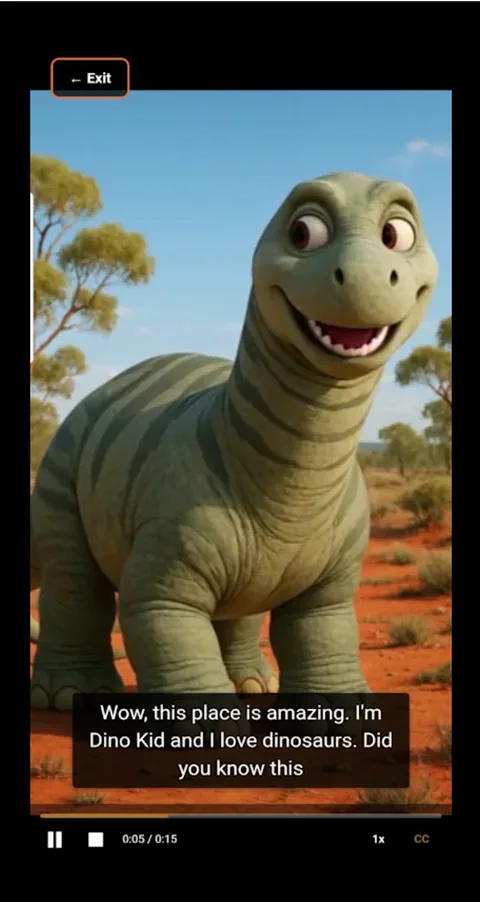
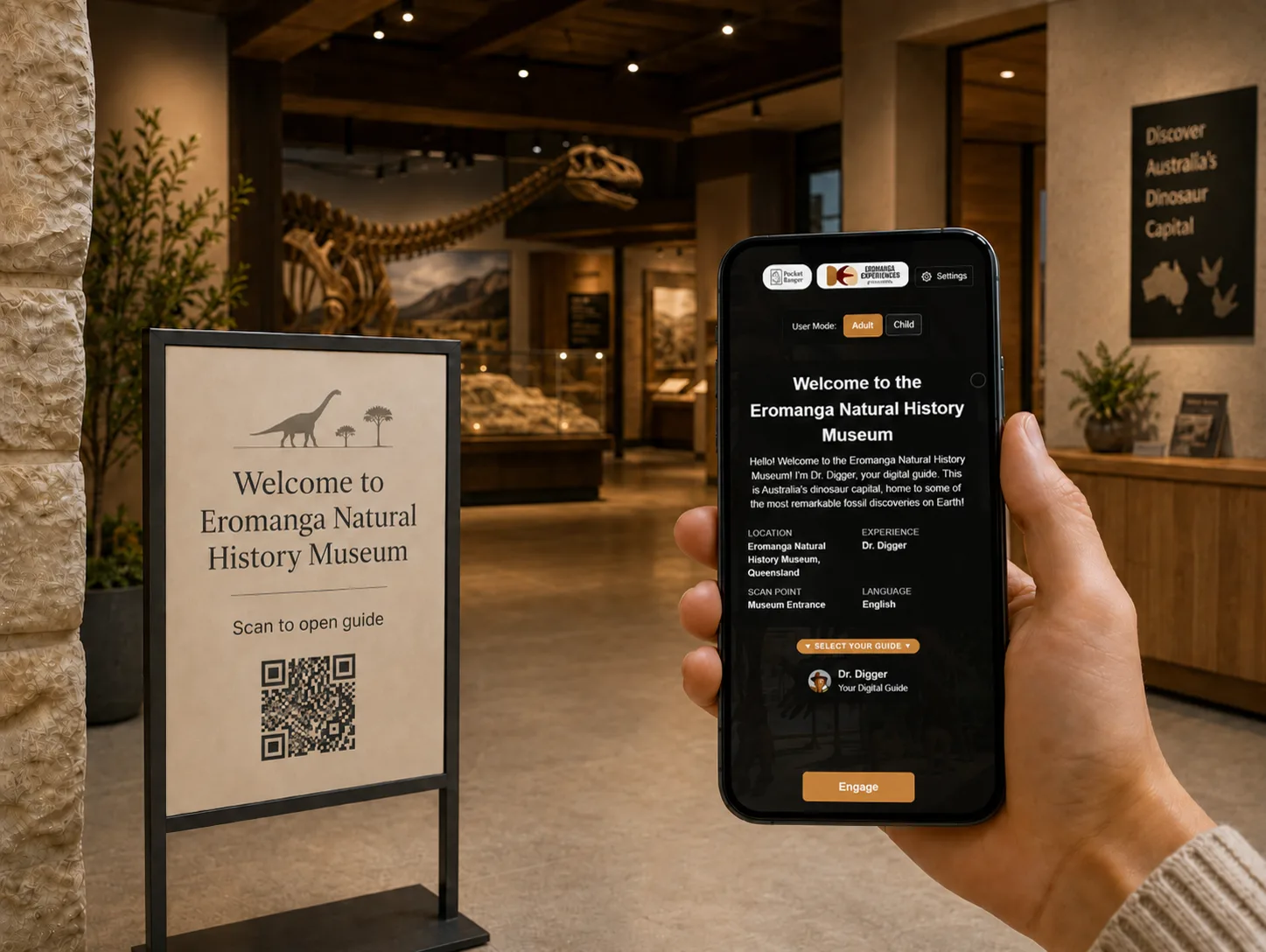
The prototype uses a character-led guide to introduce the visitor to the experience. From there, the visitor can move through guided content that changes depending on the audience mode or support they need.
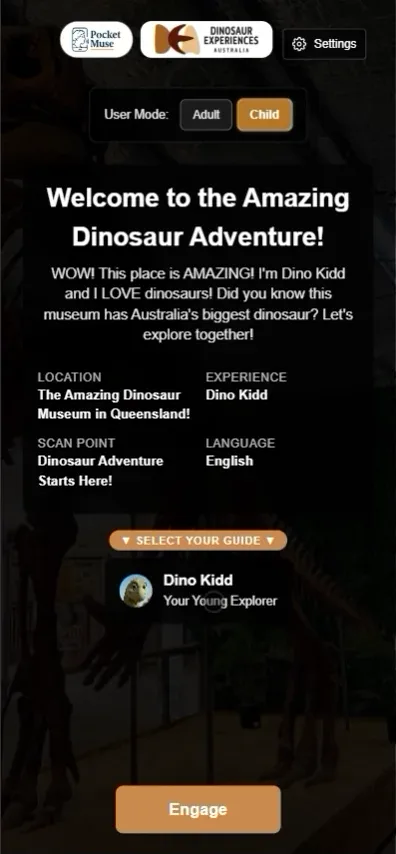
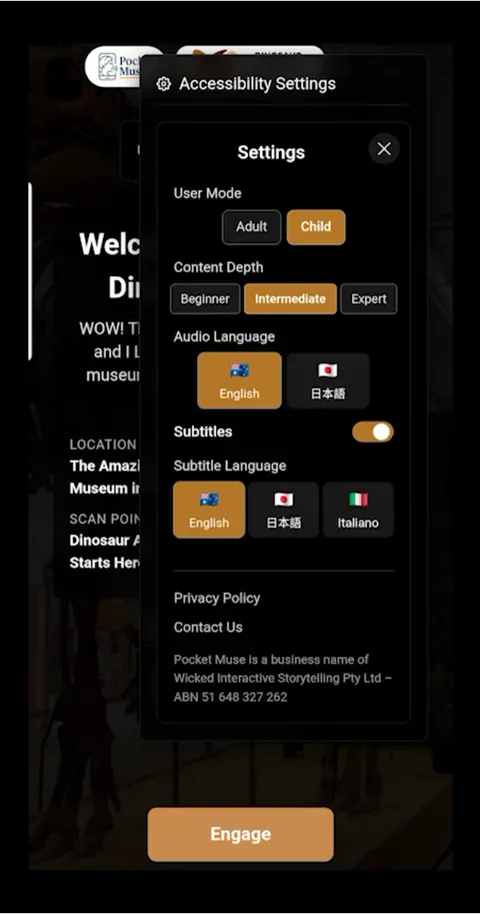
The experience was designed to show how a visitor could choose the kind of help that suits them: a simpler explanation, a different language, a child-friendly path, or a different guide style.
What I designed and implemented
- Visitor experience flow
- Character-led guidance pattern
- Audience mode structure
- Child/adult content variation
- Language/support toggle concept
- Mobile-first interface
- Guided storytelling sequence
- Front-end implementation
- Reusable pattern for visitor-centre and tourism experiences
What this shows
This prototype shows how a guided digital layer can adapt to different visitor needs without turning the experience into a complex app. The structure can stay authored and controlled, while still giving visitors choices in how they move through the content.
It explored how a visitor-centre experience could adapt without becoming an open-ended app. Different visitors may need different levels of explanation, tone, language or guidance, but the experience can still remain authored, structured and easy to use.
It also shows how digital can support interpretation by adding tone, character, language, pacing and contextual explanation around a physical place or attraction.
Relevance now
Eromanga helped test the visitor-experience side of the current practice. It showed how the same system used for property presentations, posters and object explainers could also support tourism and interpretation contexts.
The pattern is relevant to visitor centres, museums, heritage sites, councils, exhibitions and tourism destinations where different audiences need different levels of explanation.
Project video
Project Images