Guided digital experiences
Structured web and mobile experiences that help people move through information, choices, stories or places.
Professional practice
Many places, services and stories are difficult to understand through static information alone. I create structured digital experiences that give people the right context at the right moment, whether they are visiting a place, exploring a display, learning a topic or deciding what to do next.
What I do
I bring together digital design, learning, storytelling and implementation to create experiences that work as a whole, especially where digital connects to a physical place, display or real-world context.
Structured web and mobile experiences that help people move through information, choices, stories or places.
Experiences that make abstract or complex ideas easier to understand through simulation, media, play or guided exploration.
Mobile-first experiences that sit beside places, displays, events, signage, objects or presentations.
Content structures, prototypes and working digital systems that can actually be used.
Practice
My work has grown out of a long interest in how people understand things through experience, not just explanation.
I started in games and interactive systems, then moved into site-specific AR, heritage interpretation, public-facing learning experiences, 360° media, large-scale interactive displays and mobile-first guided experiences.
Across these projects, the question has stayed consistent: how can digital experience help someone understand a place, service, story or complex idea more clearly, without adding unnecessary friction?
That is the thread connecting the work here. Some projects are delivered public experiences. Some are institutional or research-led. Some are current demonstrations of a more reusable delivery system. Together, they show a practice focused on interaction, structure and context.
Capability
My work sits across experience design, systems thinking and implementation: structuring complex ideas, designing clear interactions, understanding physical and learning contexts, and turning concepts into usable digital experiences.
Development
Over time, my work has moved from speculative interaction and AR exhibition experiences into a broader practice of designing guided digital layers for physical places, learning and public-facing content.
AIWA
An early exploration of how people might understand emerging AI by encountering it as a designed object, interaction and exhibition experience.
Skullduggery at Old Government House
A research-led prototype exploring how site-specific AR and theatrical structure could help casual visitors understand the intangible heritage of a physical place.
Artisan / Simone Eisler
These projects were an early step in taking the theory into public delivery, testing how digital layers could sit beside artworks, exhibitions and physical settings without replacing them.
Old Government House AR Tours
A two-year design and development project that pushed the earlier AR learnings further, bringing together visitor flow, interpretation, 3D environment design, wayfinding, service/experience design and practical delivery inside a heritage site.
Walking on Country AR
A QUT VISER project where place-based AR thinking was applied within a larger institutional, cultural and collaborative context.
QUT learning and public display projects
Projects like EarthTime, QUT 360 Learning and River City Stories showed digital layering in different forms: large-scale screens, web-driven public displays, 360 learning, archival interpretation and interactive public education.
Current demonstrations
After years of working with AR, exhibitions, learning tools and public-facing digital experiences, I started building demos to test a broader idea: digital layering does not belong to one technology. The work became less about starting with AR, AI or any specific platform, and more about asking what the person needs at a particular moment in the journey. The demos explored how digital layers could be delivered through mobile web, guided media, object explainers, visitor-centre flows, controlled AI, AR or other technologies depending on the situation. The focus was usability, low friction, fallbacks and practical delivery in real public-facing environments.
Produced current experiences
The Real Estate Client Experience and Limoncello Poster Experience showed the approach working at different scales: a fuller guided property presentation and a lightweight poster-led mobile layer.
Service walkthroughs
The Real Estate Service Walkthrough and Displays Walkthrough show how guided digital experiences can also work as explainers, helping potential partners understand where a digital layer fits in a wider user journey before committing to a full project.
The strongest digital layer is not always the most advanced technology. It is the layer that fits the moment, supports the person using it, and can be delivered reliably in the real environment.
Current Practice
These are live or public-facing examples of the current guided experience approach in use. They show how a physical touchpoint, listing, poster or link can become a structured mobile experience.
What this shows: The work has moved beyond concept into delivery. These examples show a practical approach for creating guided digital experiences that fit the situation, the touchpoint and the user journey.
A live mobile-first property presentation designed to help buyers understand a listing through a structured, guided digital experience.
View project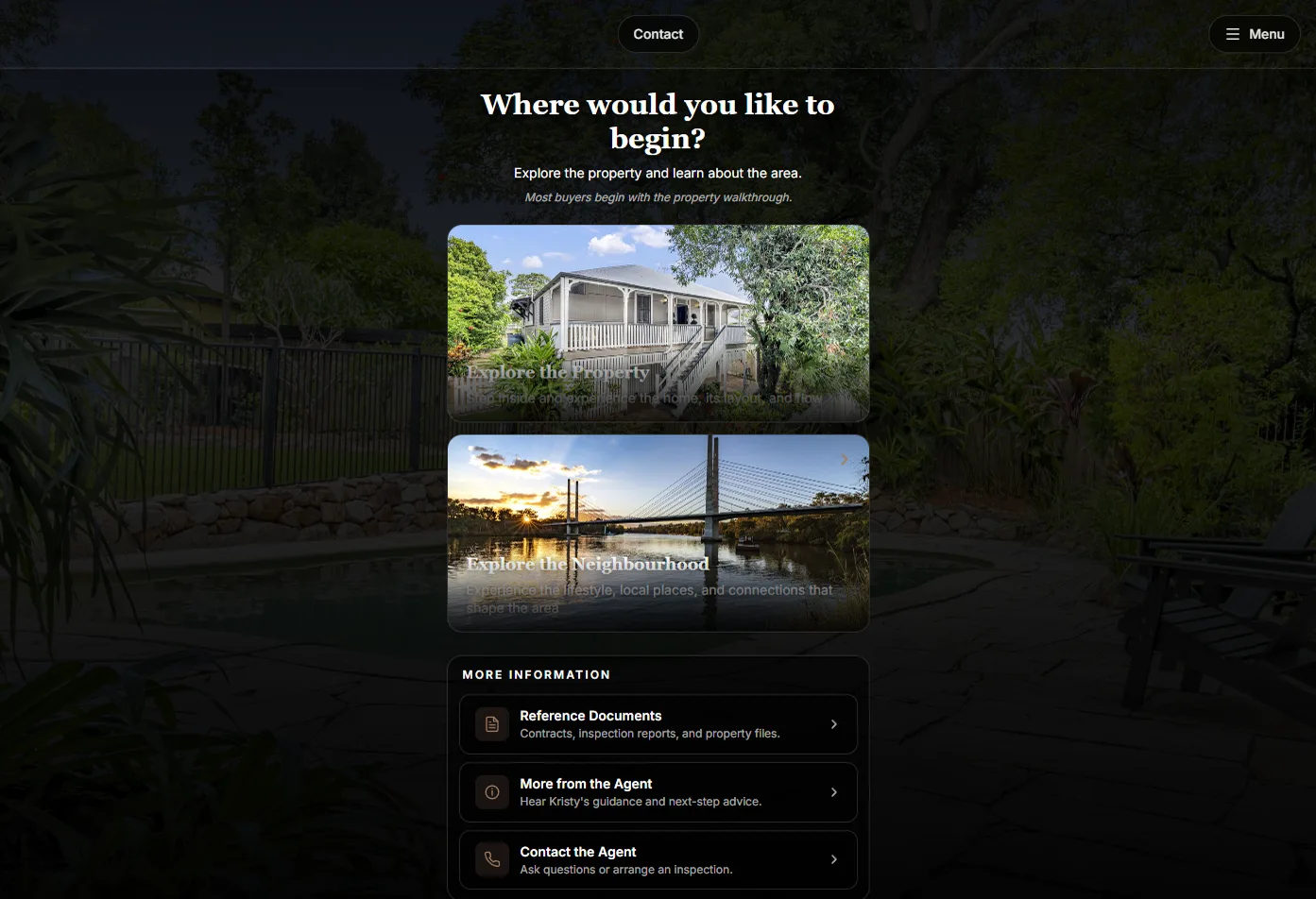
A lightweight mobile experience designed to extend a physical event poster into a short, guided digital layer.
View project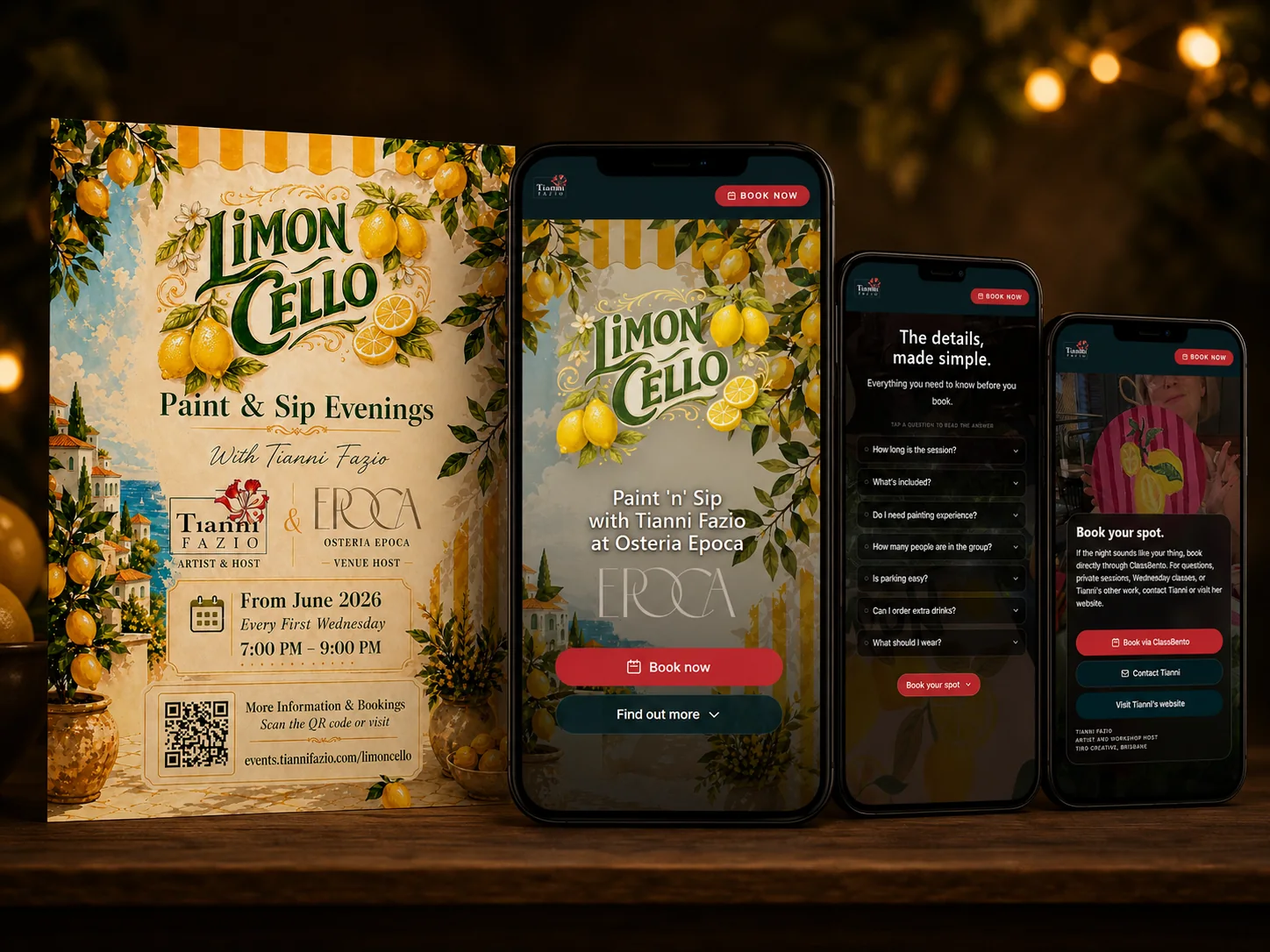
Current Practice
These walkthroughs show how guided digital layers can be applied in different contexts, from property presentations to signage, displays and visitor-facing environments.
What this shows: The work has moved beyond concept into delivery. These examples show a practical approach for creating guided digital experiences that fit the situation, the touchpoint and the user journey.
A self-authored walkthrough designed to help real estate agents understand the guided property presentation concept through a short, structured digital follow-up.
View project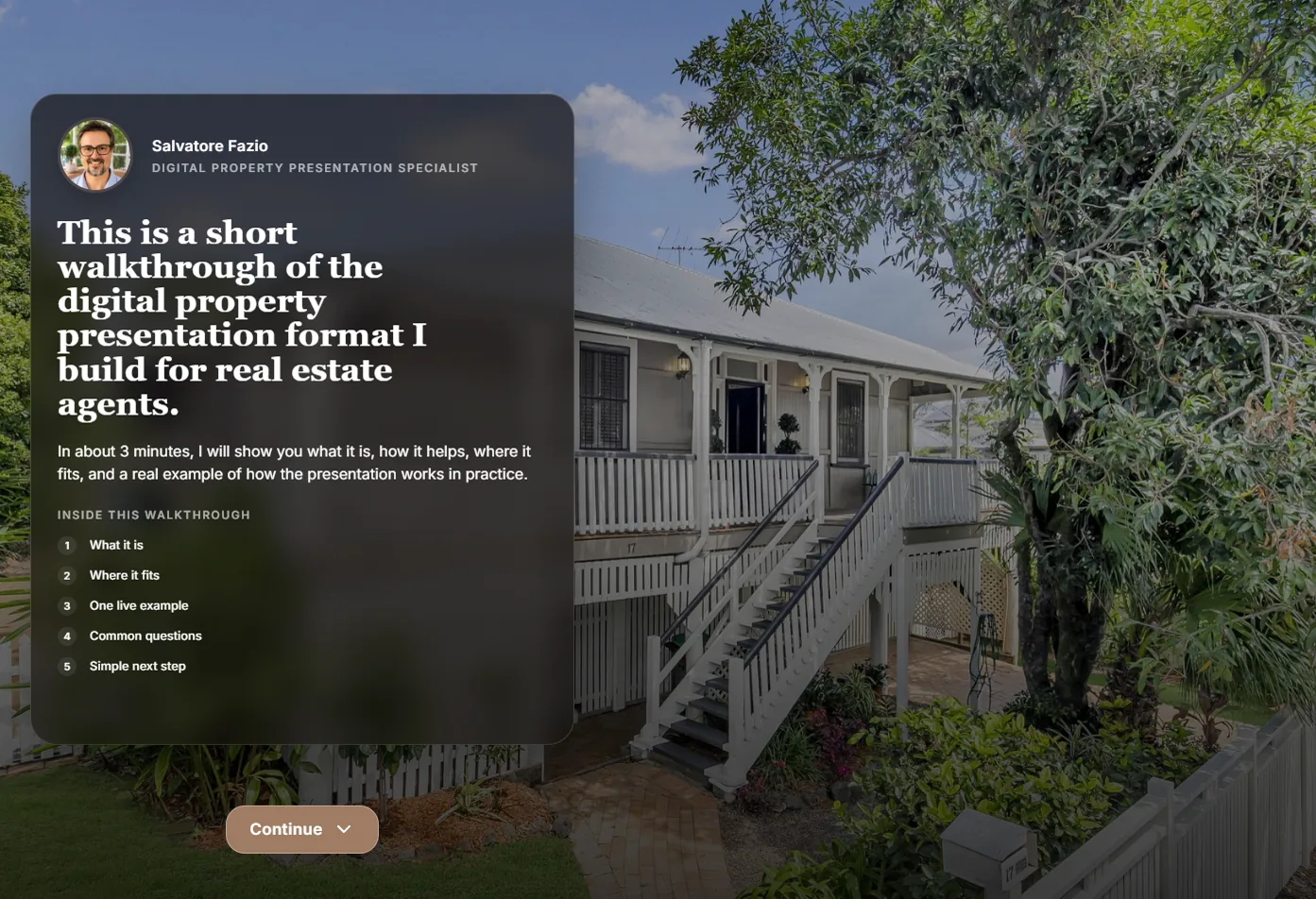
A sector-specific walkthrough designed to explain how guided digital layers can sit alongside physical displays, signage and visitor-facing environments.
View project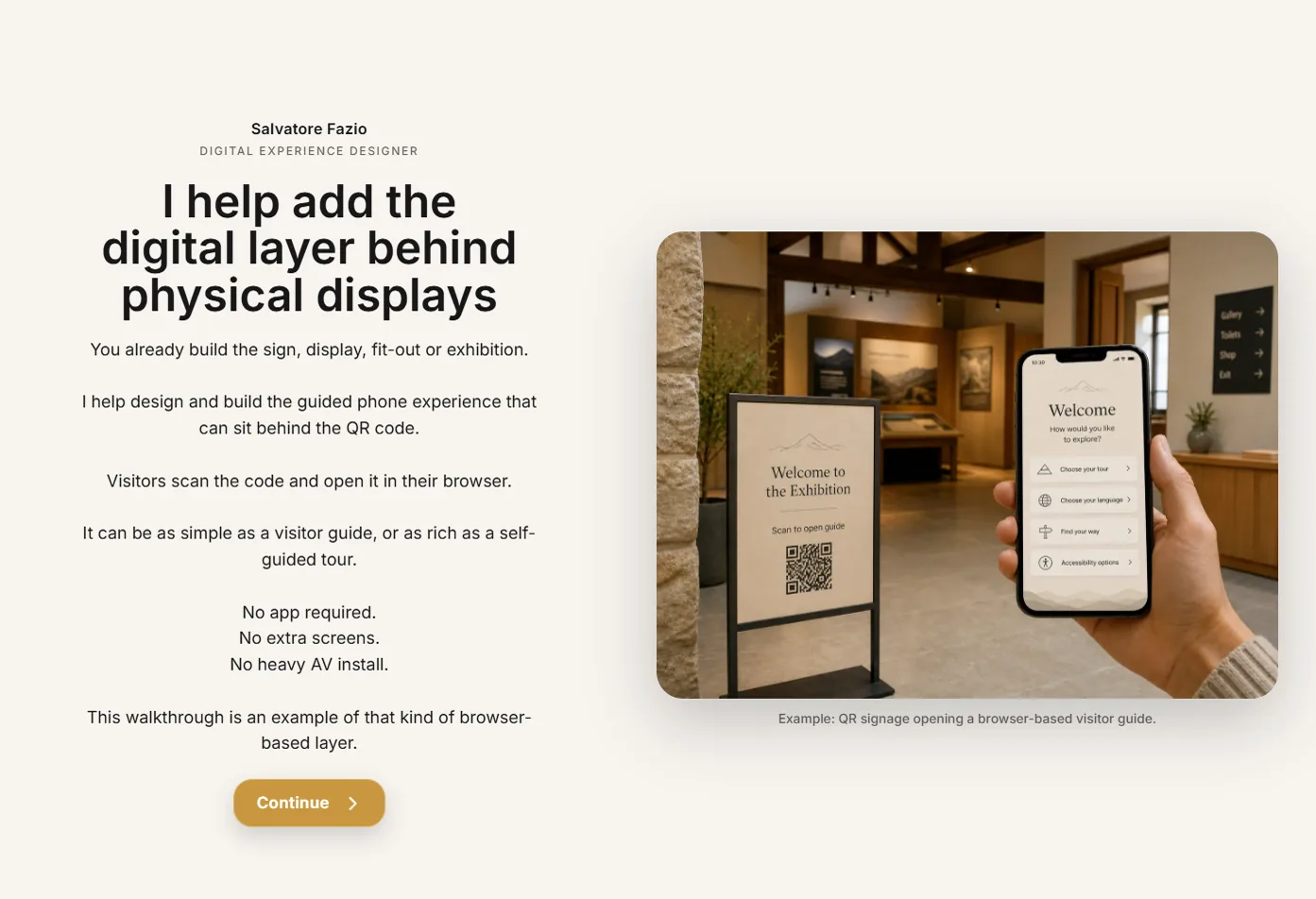
Current Practice
These demos explore how guided digital experiences can adapt to different touchpoints, such as an object, visitor centre, service or place. They are not all client-delivered projects, but they show the flexibility of the current system.
What this shows: The work has moved beyond concept into delivery. These examples show a practical approach for creating guided digital experiences that fit the situation, the touchpoint and the user journey.
A mobile object-interpretation demo showing how a guided digital layer can help someone understand an artefact, artwork or display object in context.
View project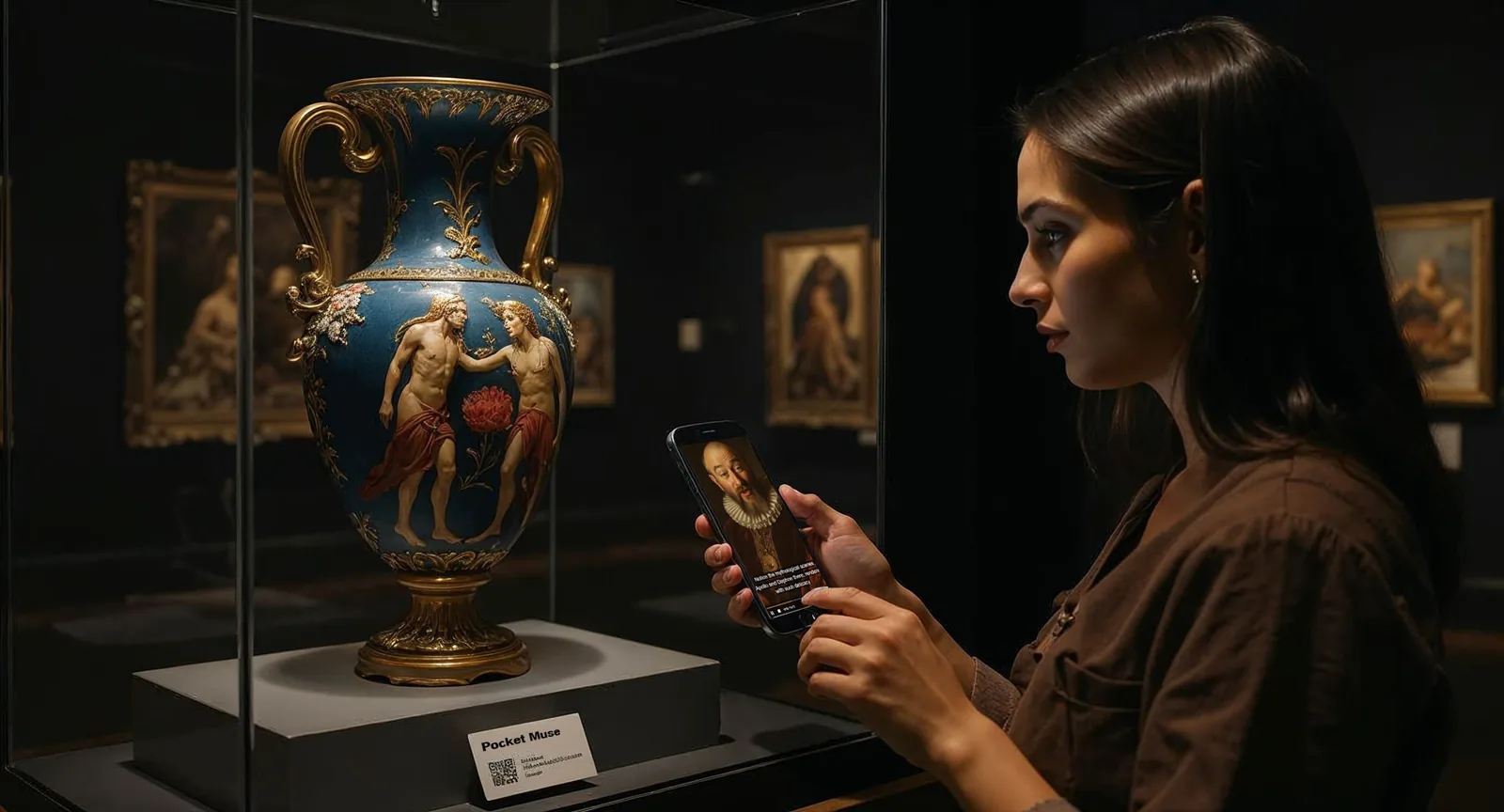
A visitor experience prototype showing how a guided mobile layer could support tourism, interpretation and audience-specific storytelling.
View project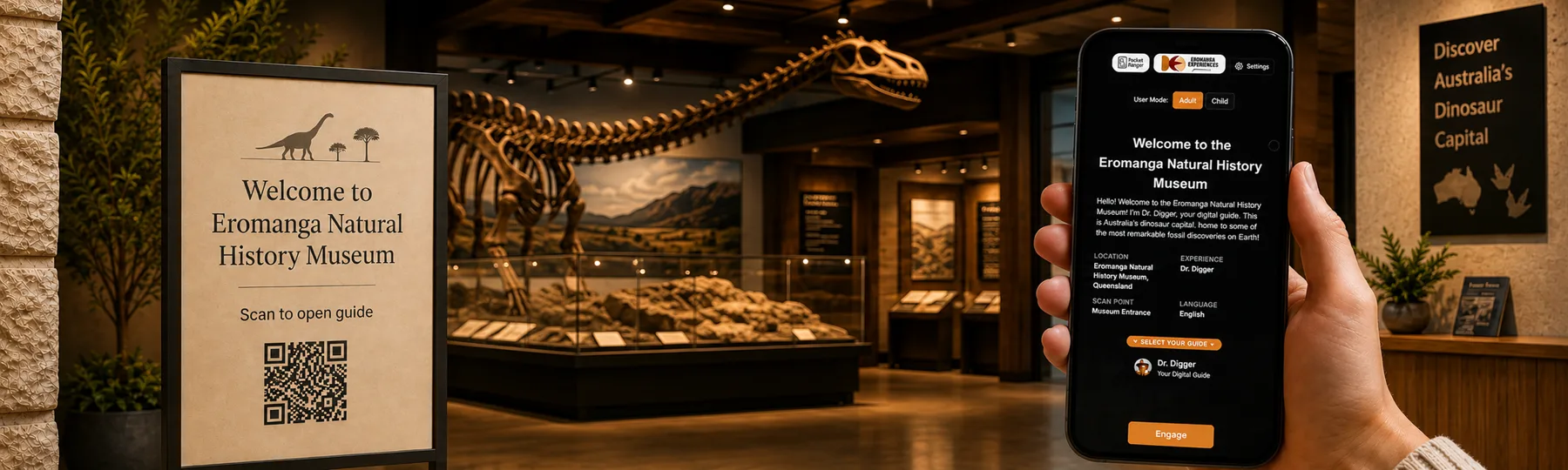
Delivered Experience Work
These projects come from earlier public, cultural, educational and institutional contexts. They show the background that led to the current practice: AR, learning, public interaction, interpretation and digital experiences connected to real places.
What this shows: The current work is built on years of delivered experience in physical-digital contexts, not a recent trend.
A deployed AR tour experience for Old Government House, developed from earlier honours research into a fuller digital layer for exploring history, space and interpretation.
View project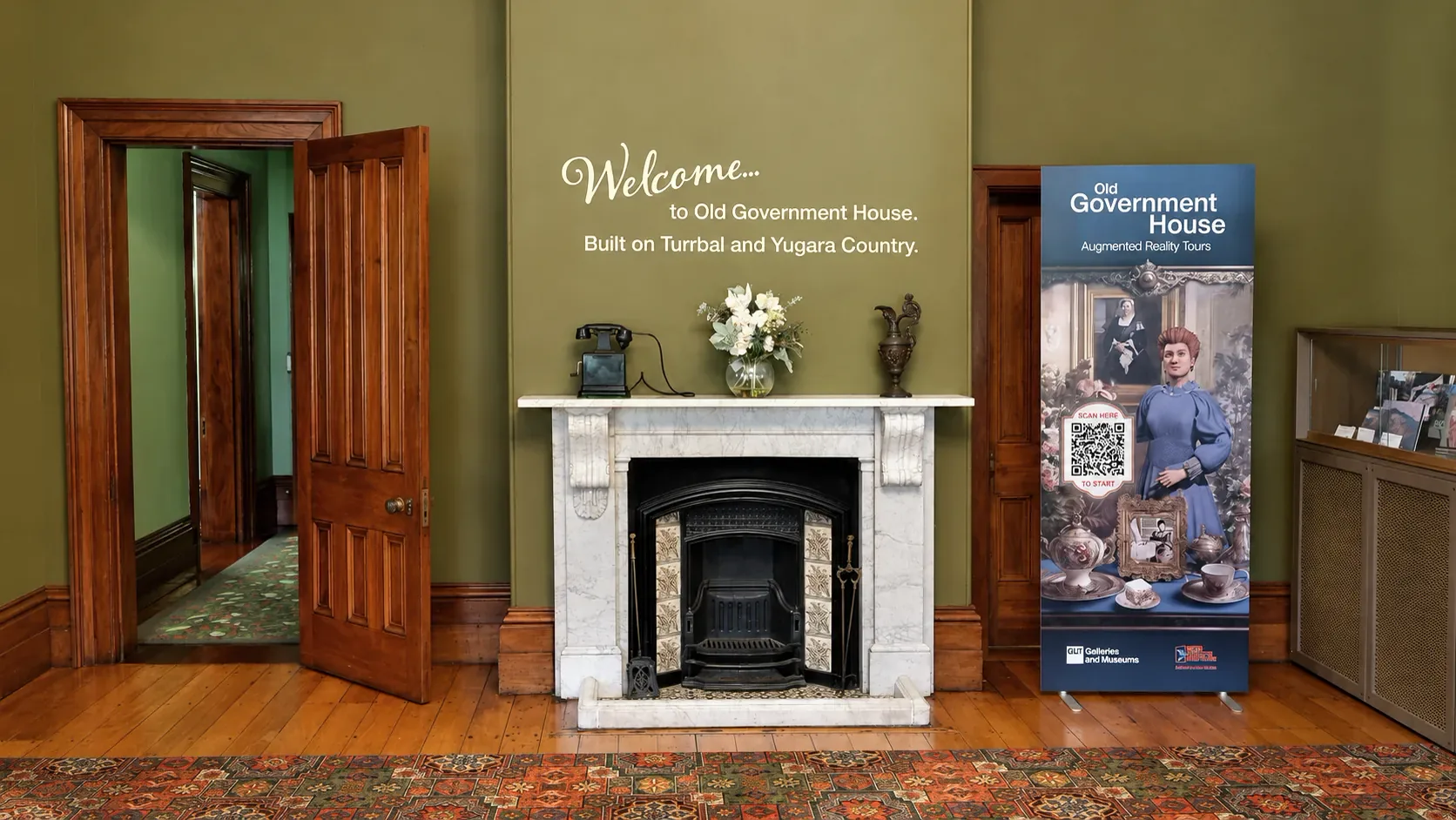
A large-scale touchscreen game for The Cube that helped visitors explore how Earth's rotation, natural systems and atomic time connect.
View project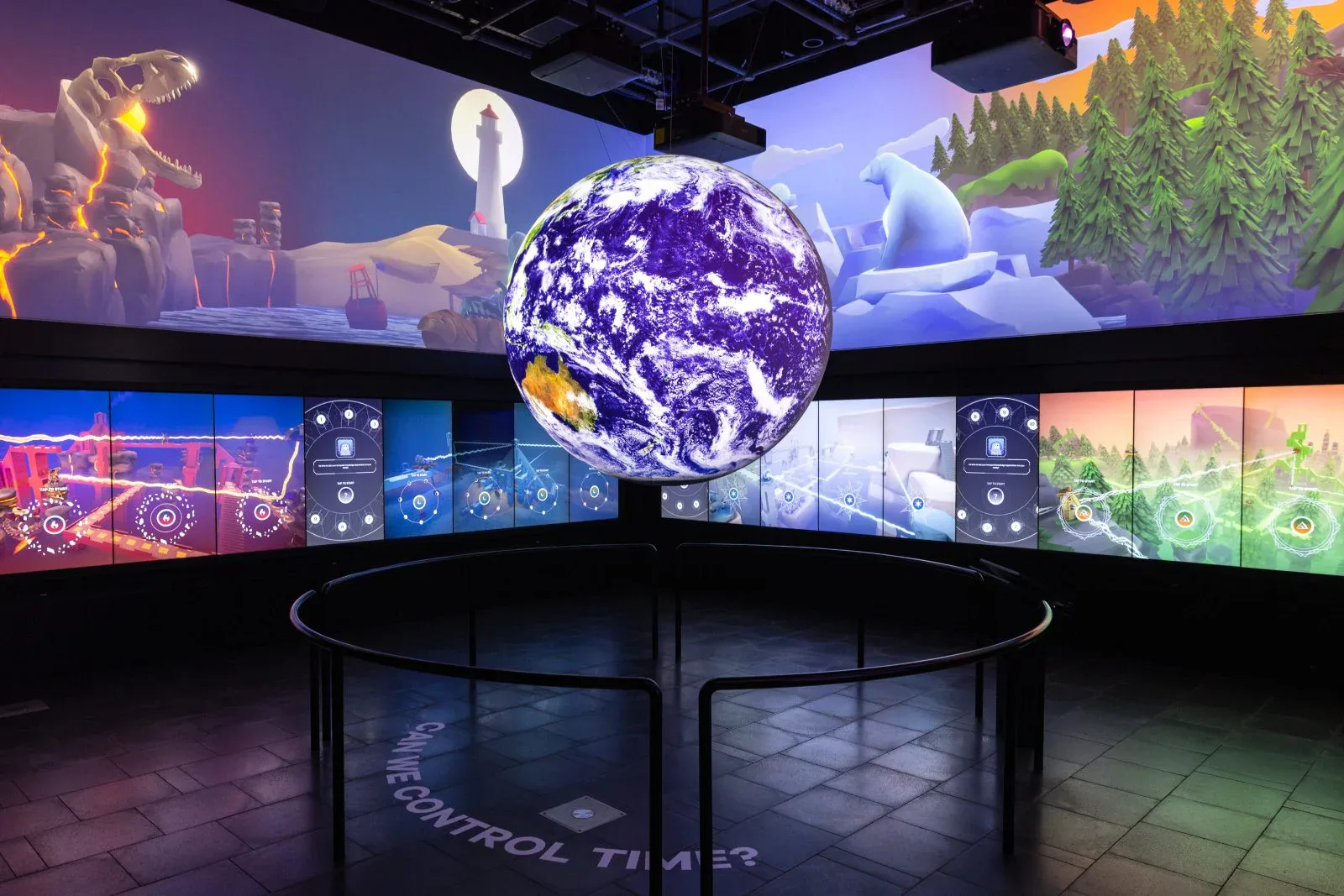
A 360 online learning and assessment experience designed to support professional learning for emergency department nurses in rural, regional and remote areas.
View projectA web-driven interactive display for The Cube that helped visitors explore archival images of Brisbane from the 1800s to today.
View project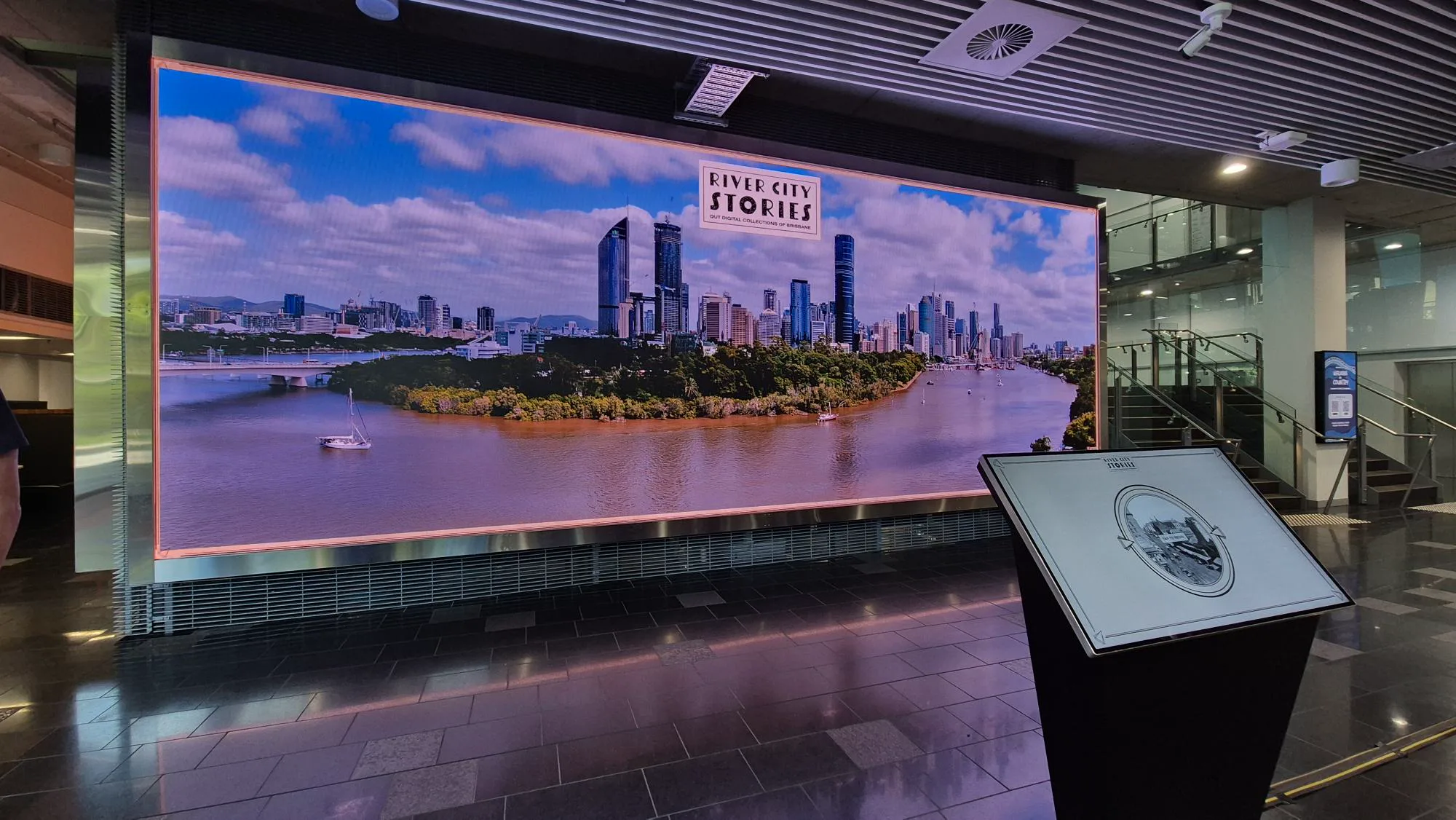
A campus-wide AR walking tour supporting Indigenous storytelling and place-based learning across QUT Gardens Point.
View project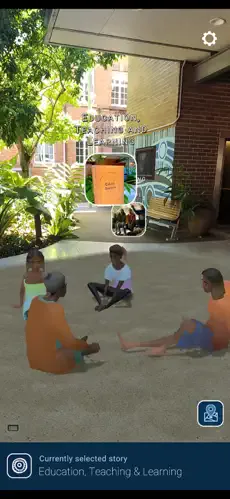
An AR exhibition companion that brought story, characters and interactive digital layers into Artisan's Dystopia / Utopia 2070 exhibition.
View project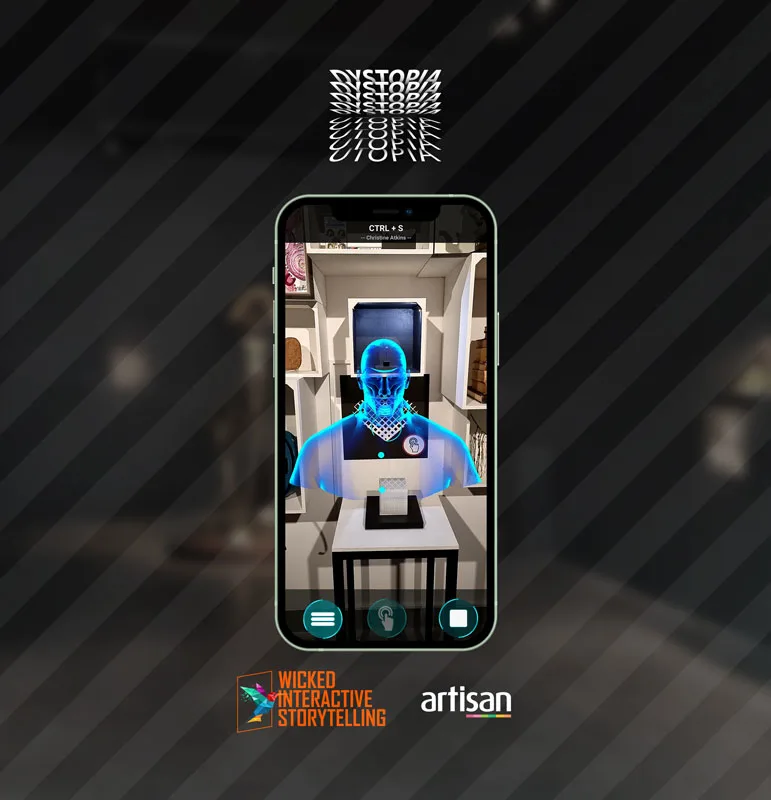
An outdoor AR experience for a public art exhibition, adding a digital layer of character, sound and context around Simone Eisler's sculptural work.
View project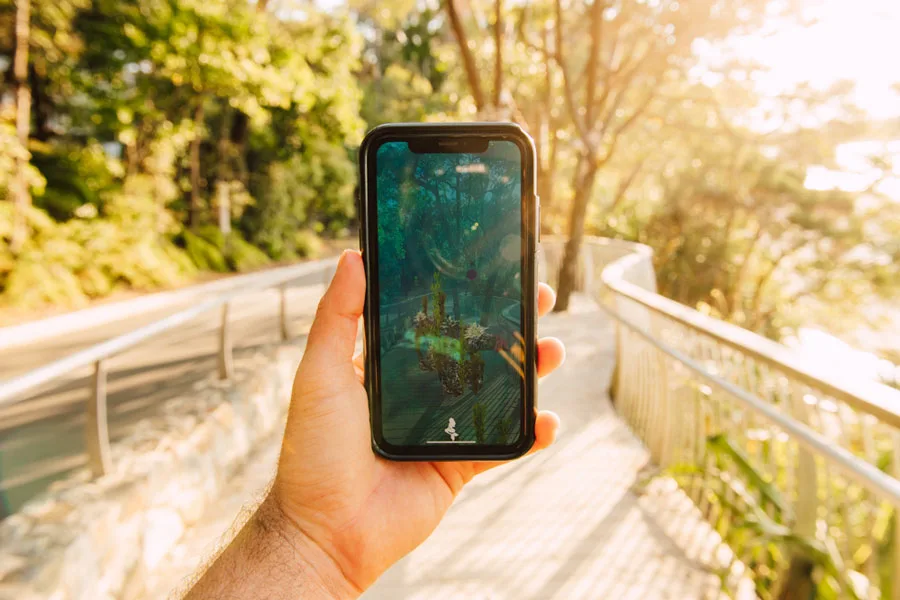
Delivered Experience Work
These projects show the practical systems side of the work: websites, content structures, publishing flows and digital tools that support real use beyond a prototype.
What this shows: The practice combines experience design with implementation and maintainable content systems.
A website, ordering system, book layout and interactive soundboard for a children's book project.
View project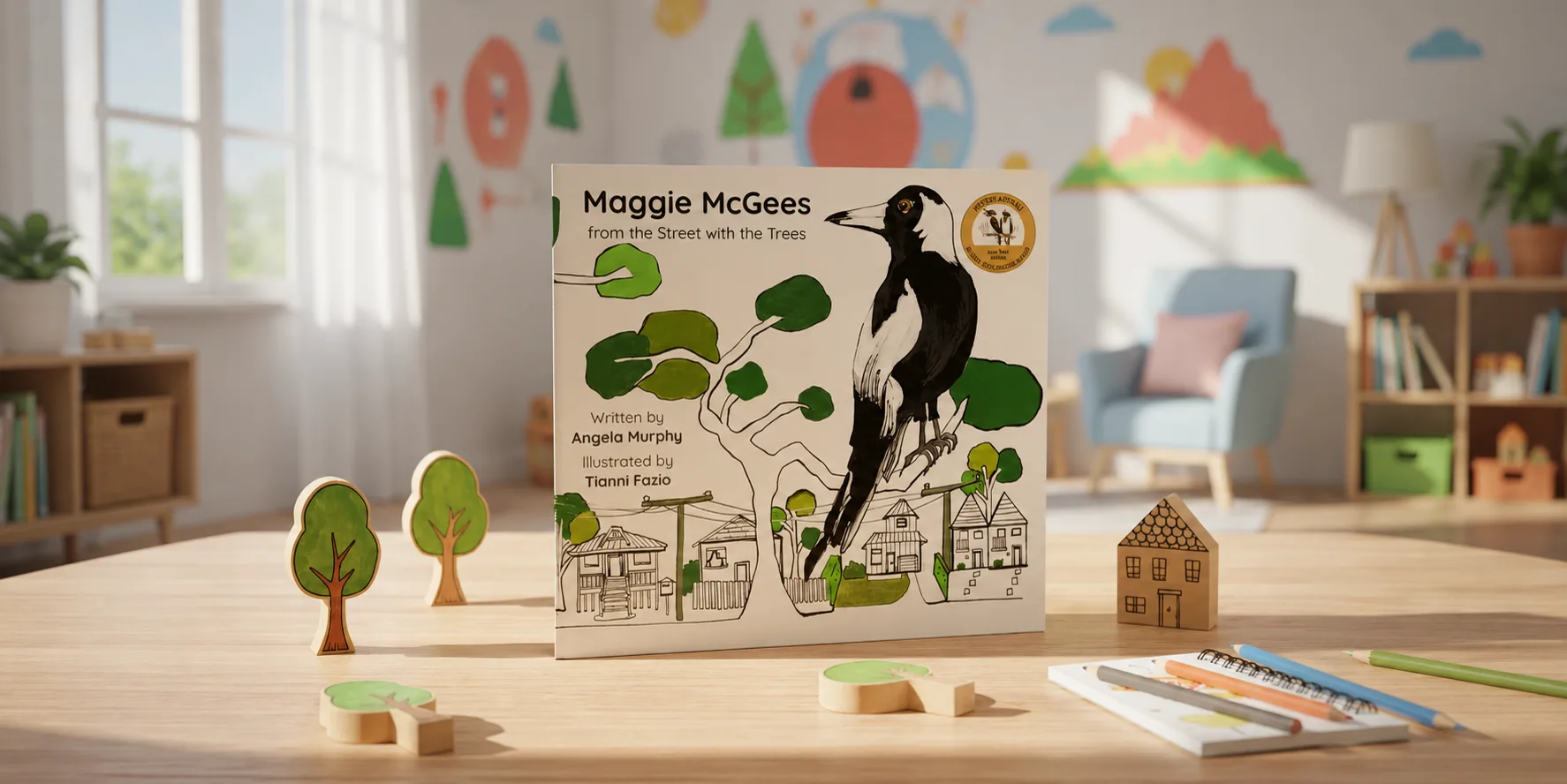
A client website and backend CMS system that turned a large information dump into a structured, maintainable public site.
View project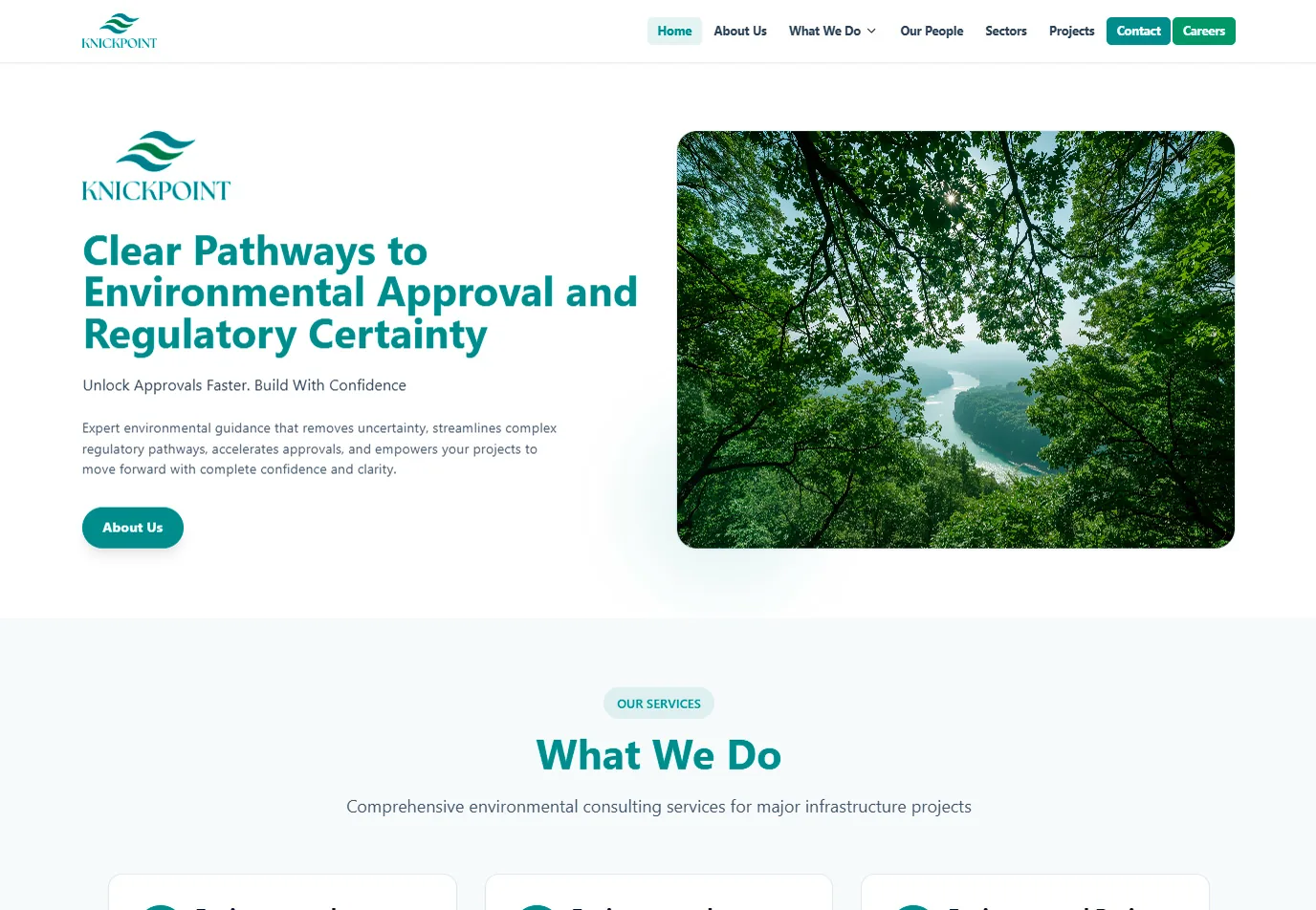
An artist website, payment system and recurring calendar series supporting the presentation and sale of Tianni Fazio's illustration work.
View project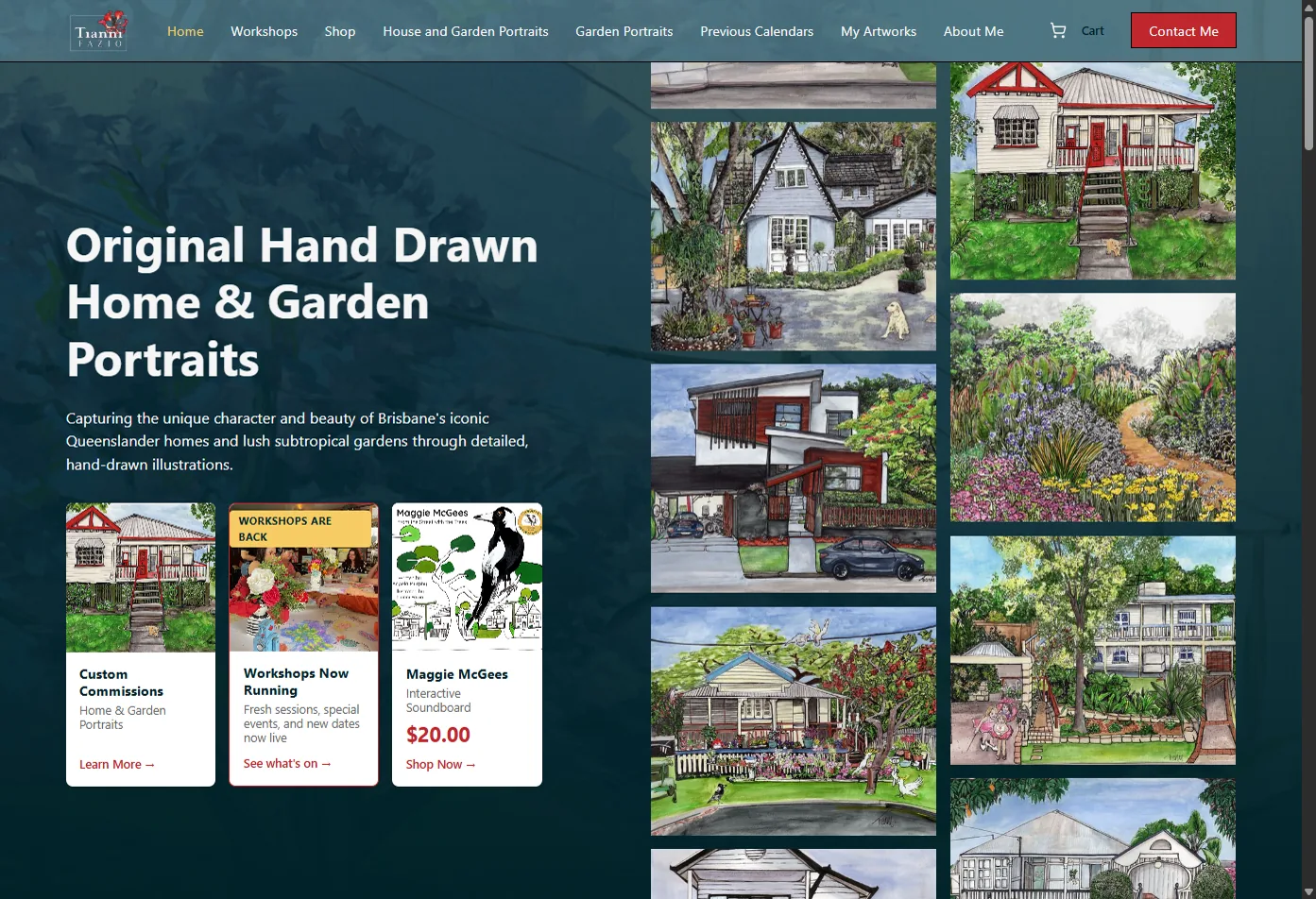
Foundational Work
These research-led projects shaped the ideas behind the practice. They explored how AR, AI, simulation and embodied experience can help people understand complex subjects more directly.
What this shows: The current work has a long-running research and experimentation thread behind it.
A research-led AR adventure-game prototype exploring how casual visitors could understand the intangible cultural heritage of Old Government House through site-specific storytelling.
View project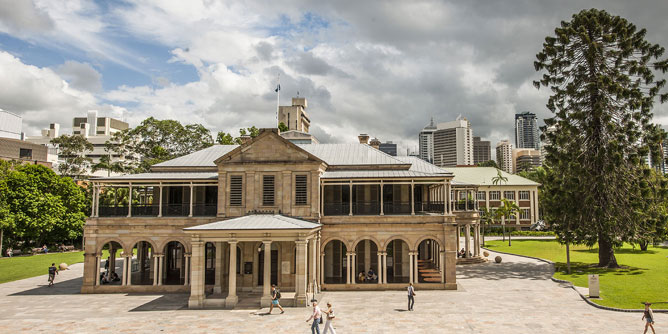
A speculative exhibition experience exploring how people might relate to a highly conversational AI assistant before that kind of interaction became mainstream.
View project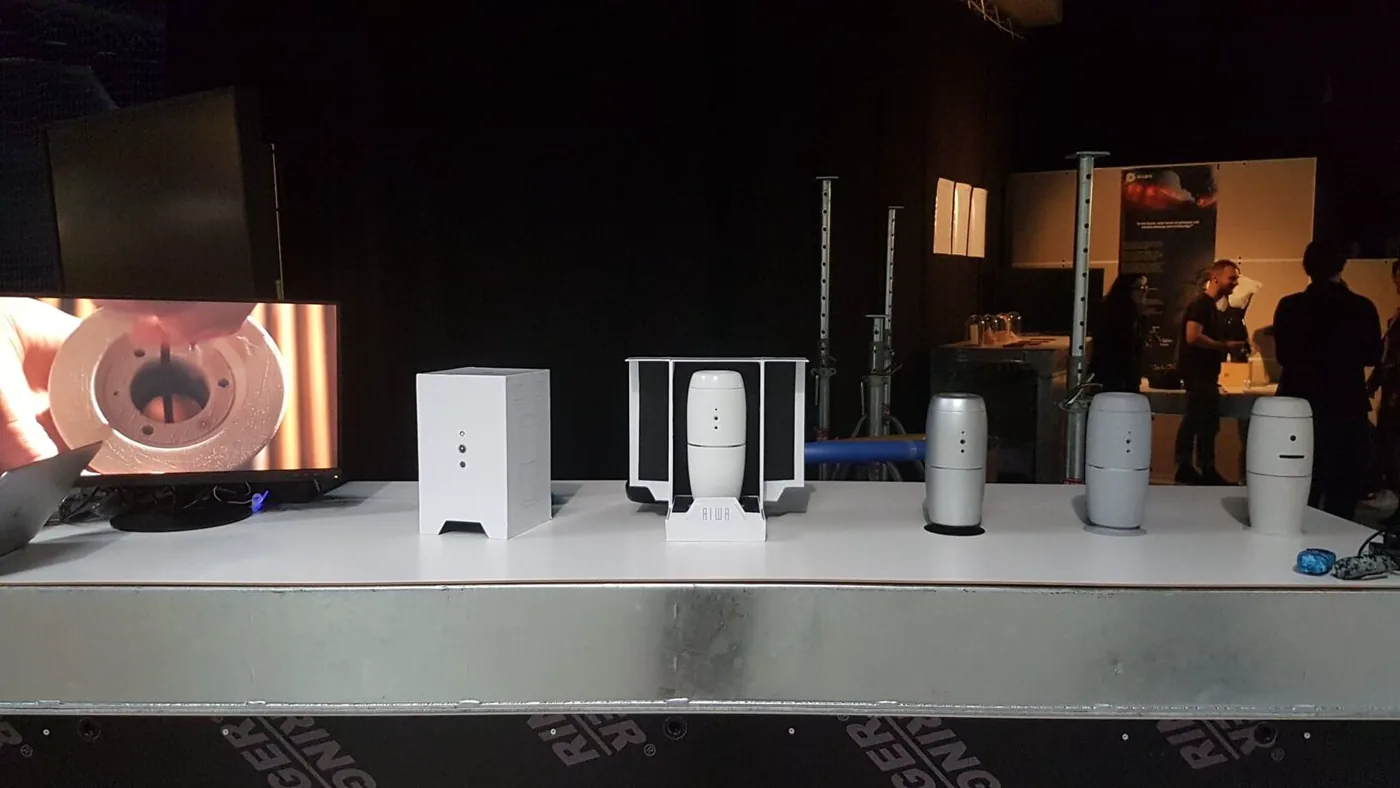
A multisensorial research prototype exploring how simulated low vision, audio storytelling and reflection could help people understand navigation and spatial perception for people who are blind or have low vision.
View project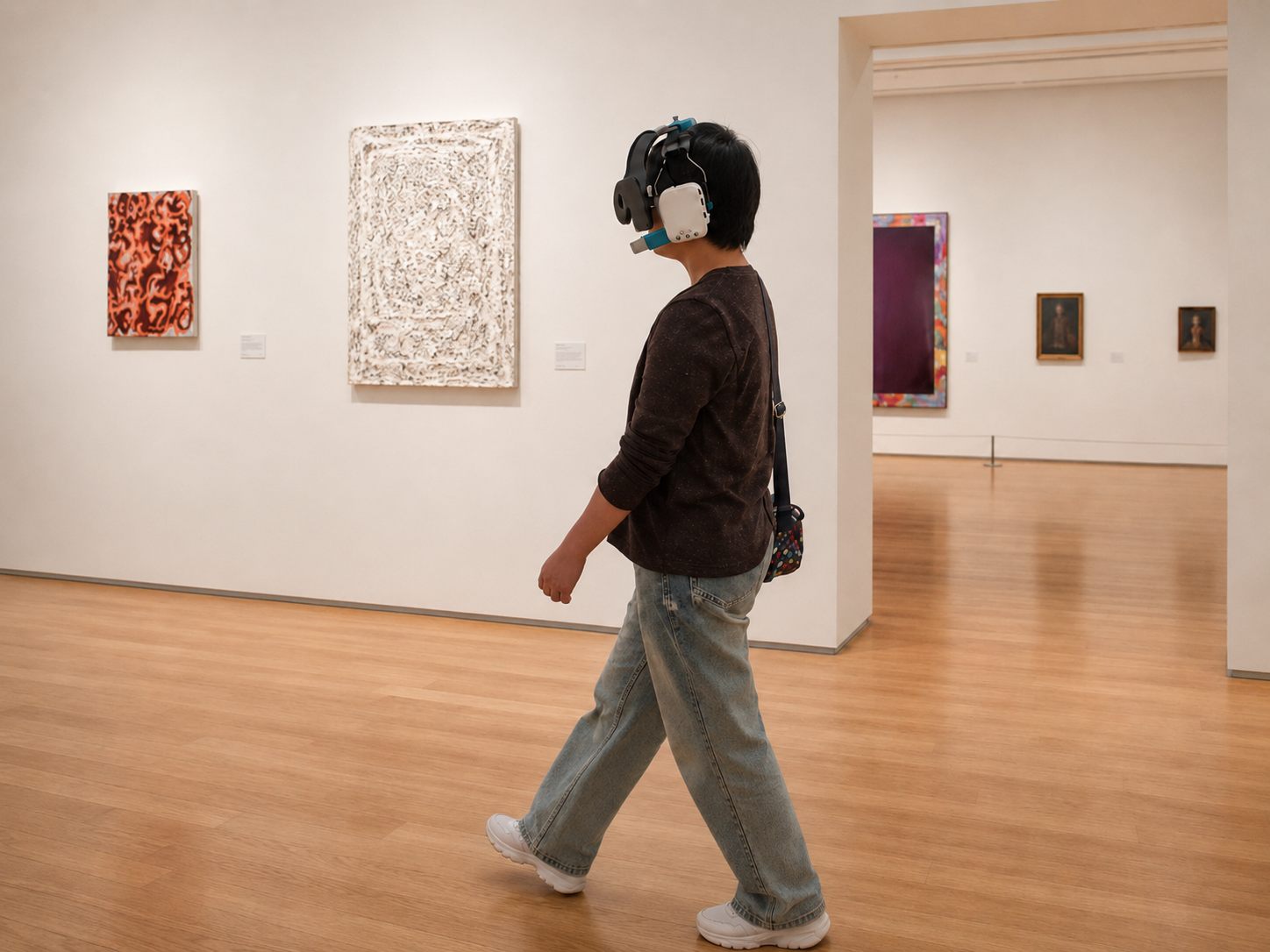
Current focus
My current focus is bringing together UX, learning, public-facing digital and interactive systems into practical guided experiences for places, services, displays and stories.